Flying race cars, drones and air taxis are arriving faster than the workforce needed to operate them
Australia is preparing for a new era of aviation, but industry leaders are warning the biggest challenge may not be developing the aircraft – it will be finding enough people with the specialised skills to operate, maintain, regulate and support them.
A landmark market projection report, Sizing the Future Drone and Advanced Air Mobility Market in Australia, projects local uncrewed traffic will surge from 1.5 million to more than 60 million drone flights annually by 2043.
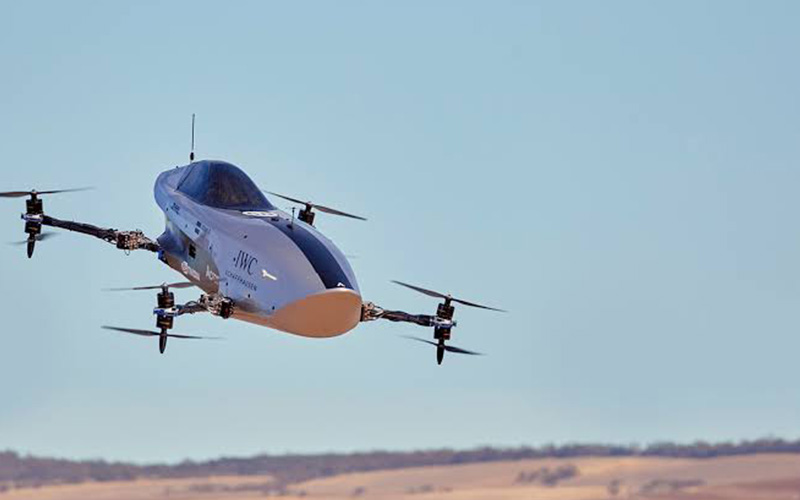
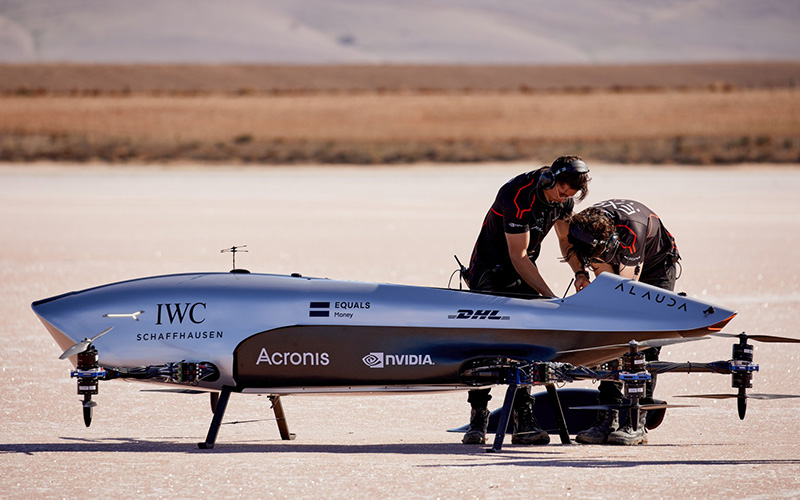
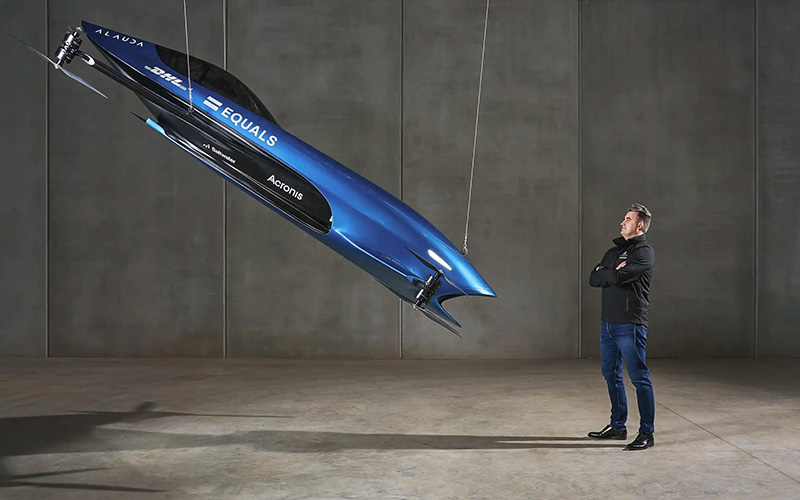
The workforce challenge will be brought into sharp focus on the Gold Coast next month, where a flying electric race car from Airspeeder Team Australia will feature at Global Drone 2026.
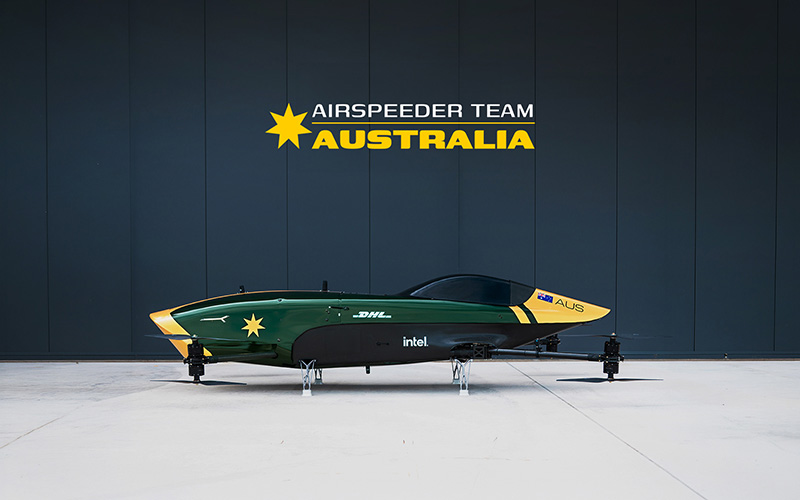
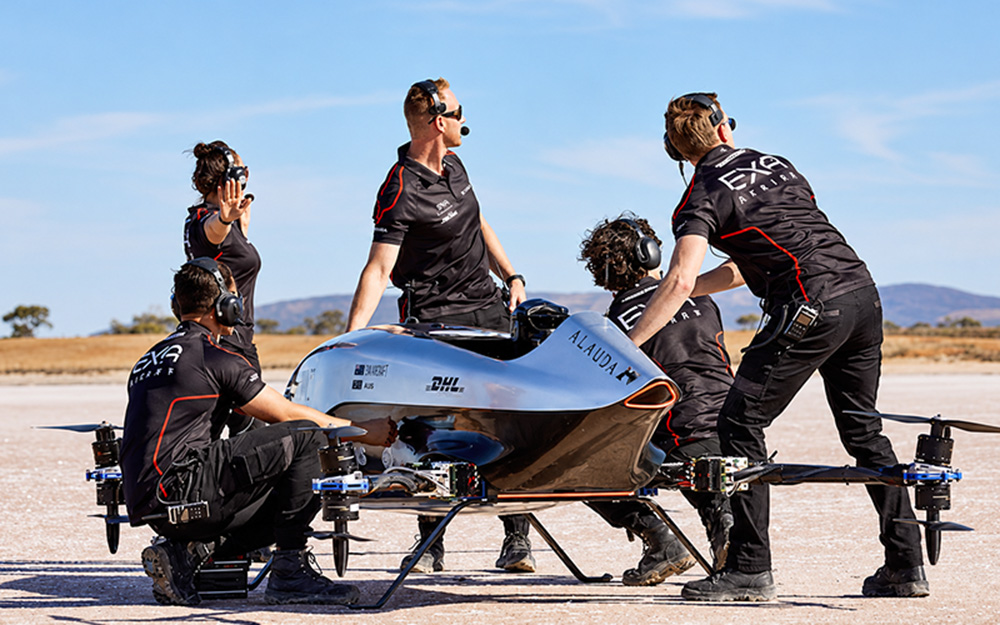
The Airspeeder vehicle, showcased alongside Global Drone Solutions and QUT, brings together aviation, electric propulsion, robotics, software and autonomous technology – but also highlights the people needed behind the technology.
The question for industry is increasingly simple: who is going to build, fly, maintain, regulate and train the people operating the next generation of aircraft?
Aviation Australia, a registered training organisation set up by the Queensland Government to deliver programs across commercial piloting, engineering and uncrewed operations, says Australia needs to think seriously about the employment funnel for advanced air mobility and drones as the sector expands.
“Traditional aviation training models must scale aggressively if we are to prevent a severe skills bottleneck from stalling Australia’s next commercial transport era,” said CEO of Aviation Australia Glenn Ryan.
“We are no longer just talking about training remote pilots; we are looking at an urgent structural demand for advanced software engineers, complex systems operators, and specialised maintenance technicians who can keep pace with rapid hardware lifecycles and shifting global regulations.”
The workforce requirement extends well beyond traditional pilots, with demand emerging for remote pilots, chief remote pilots, instructors, engineers, maintenance specialists, systems operators, researchers, software and autonomy specialists and safety professionals.
It also isn’t necessarily a young person’s industry. Drone technology is already being adopted across mining, resources, agriculture, construction, surveying, infrastructure, emergency services and government, creating opportunities for experienced workers to add specialist aviation skills to their careers.
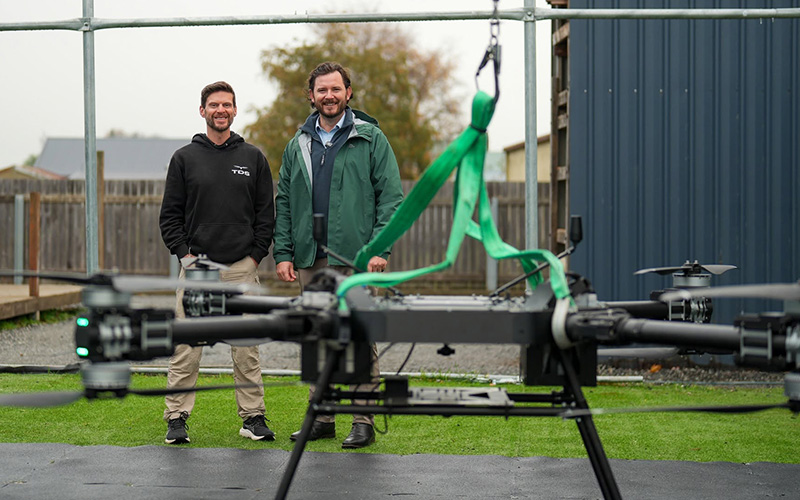
Perth-based Global Drone Solutions has trained around 4000 drone pilots and worked with major organisations including mining giants Rio Tinto and BHP in Western Australia.
Mahmood Hussein says new drone manufacturers entering the market are creating another layer of demand as companies work through testing, training and CASA approval requirements.
“We are staring down an extraordinary economic opportunity, but the reality is that the hardware is outpacing the humans,” Hussein said.
“Having trained over 8000 pilots across sectors like mining, surveying, and logistics, we are already seeing a massive surge in demand for advanced skills that will only intensify as flights skyrocket toward 60 million by 2043.”
“The Airspeeder vehicle provides a striking example of where the technology is heading, with the electric flying race car requiring expertise spanning engineering, aviation, remote operation, software and autonomous systems.”
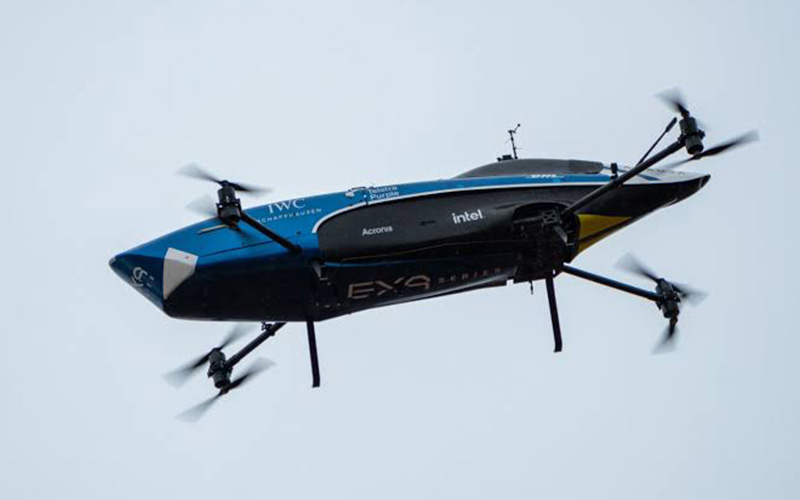
Global Drone 2026 will bring 200 global brands to the Gold Coast from November 11–13, with more than 120 live demonstrations covering drones, robotics, advanced air mobility, agriculture, defence, emergency response, mining, construction, entertainment and sport.
Global Drone CEO Leanne St George said the event was designed to demonstrate that the emerging industry extends far beyond traditional drones.
“The technology itself is no longer science fiction,” St George said.
“It is time to shift the conversation from what these incredible machines can do to who is going to keep them safely in the air.”
“Our main objective now is providing a commercial and educational platform where industry, government, and training leaders can work together to build a workforce ecosystem required to support this imminent boom.”
More than 2000 students are expected at the event’s Future Careers Day on November 11, but industry leaders say the workforce conversation needs to extend well beyond school leavers.
Many specialised roles require years of training and experience, while the rapid introduction of new aircraft and autonomous systems means existing workers will also need pathways to reskill and upskill.
As Australia explores the potential of advanced air mobility across transport, logistics, emergency response and regional connectivity, the question is no longer simply whether these aircraft can be built.
It is whether Australia can build the workforce around them quickly enough.
GLOBAL DRONE 2026
11–13 November 2026
Cbus Super Stadium, Gold Coast
200 global brands | 120+ live demonstrations | Drones | Robotics | Advanced Air Mobility | Defence | Mining | Agriculture | Emergency Response